
Vocabulary is the foundation of language learning. Children who develop a rich vocabulary are more confident in speaking, reading, writing, and understanding texts. A strong vocabulary also supports reading comprehension, communication, and overall academic success. The following activities are simple, engaging, and suitable for use in primary classrooms or at home.
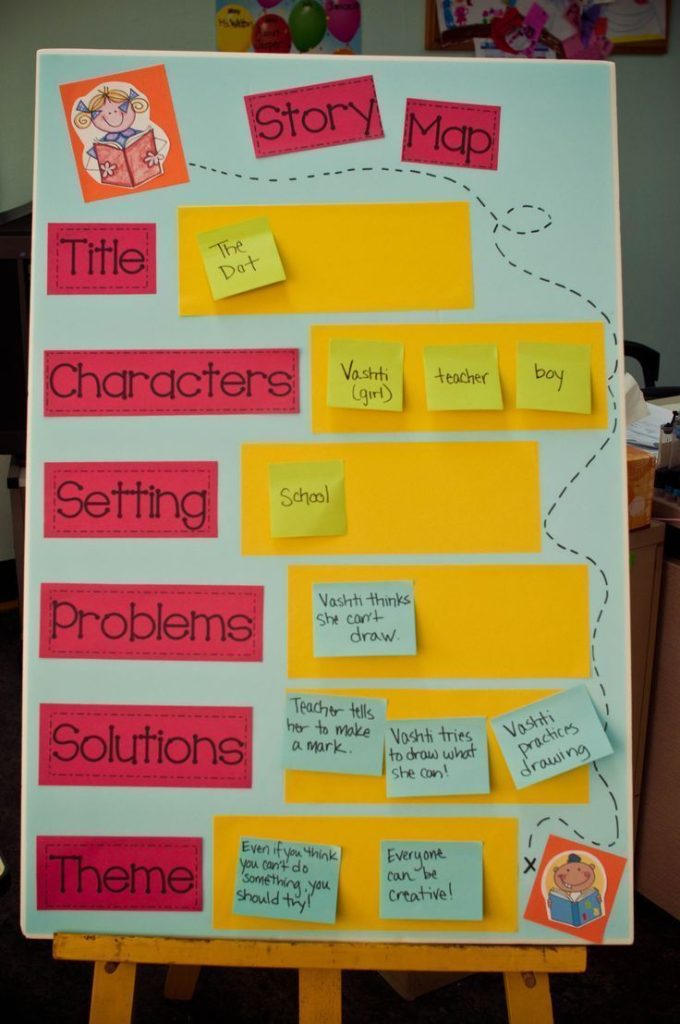
- Story Mapping
After reading a story, ask children to identify:
Characters
Setting
Beginning
Middle
Ending
New vocabulary
Visual story maps help children understand story structure while reinforcing the meaning of new words.
2. Word Detective
Choose five new words from a story. Ask children to:
Find the words in the text.
Explain what they think each word means.
Draw a picture for each word.
Use each word in a new sentence.
This activity encourages children to actively explore and use new vocabulary.
3. Vocabulary Picture Cards
Show picture cards without saying the word. Ask children to:
Guess the word.
Describe it.
Compare it with other words.
Use it in a sentence.
Visual prompts help children remember vocabulary more effectively.
4. Vocabulary Charades
Write vocabulary words on cards. Children take turns acting out a word while classmates guess it.
This activity works especially well with vocabulary related to:
Emotions
Actions
Occupations
Animals
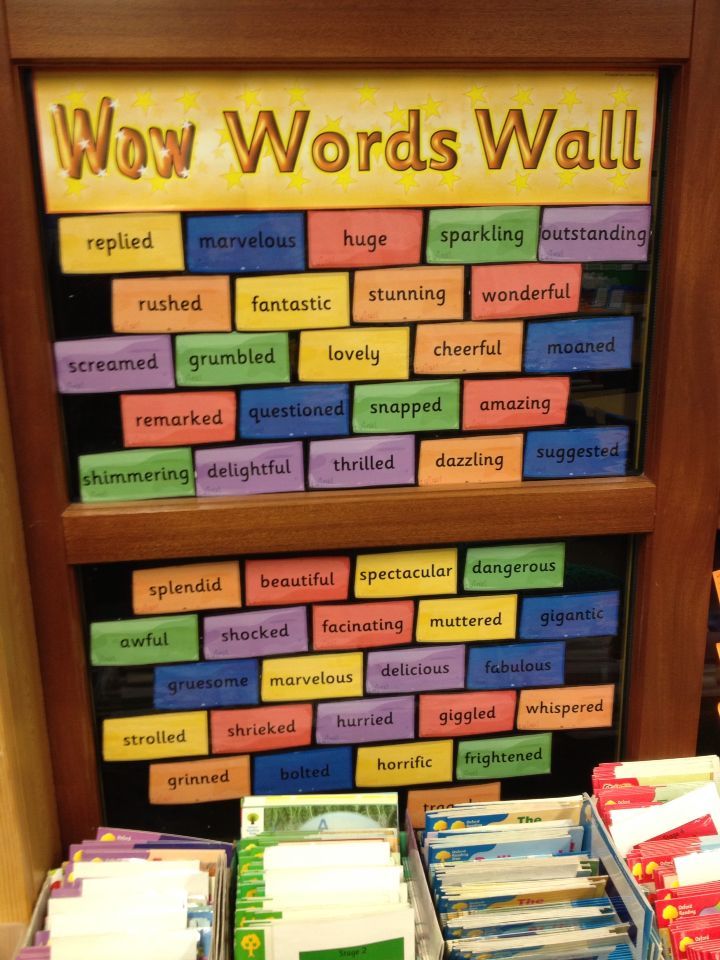
5. Word Wall
Create a classroom vocabulary wall. Each week, add new words with:
A picture
A simple definition
An example sentence
Encourage children to use these words during speaking and writing activities.
6. Story Retelling
After listening to a story, ask children to retell it using sentence starters such as:
First…
Next…
Then…
Finally…
Story retelling naturally reinforces newly learned vocabulary while developing speaking skills.
7. Vocabulary Bingo
Prepare bingo cards with vocabulary words or pictures. Call out:
Definitions
Synonyms
Descriptions
Children identify the matching word on their bingo cards.
8. Word of the Day
Introduce one new word each day. Encourage children to:
Discuss its meaning.
Find synonyms.
Use it in conversation.
Write a sentence using the word.
Small daily practice can lead to long-term vocabulary growth.
9. Vocabulary Sorting
Provide a selection of words and ask children to group them into categories such as:
Food
Animals
Transport
Weather
Feelings
Sorting activities help children recognise relationships between words and expand their vocabulary.
10. Role Play
Choose a story and encourage children to act it out using the target vocabulary naturally.
Role play helps develop:
Speaking confidence
Vocabulary retention
Creativity
Communication skills
Final Thoughts
Vocabulary learning is most effective when children encounter words repeatedly in meaningful and enjoyable contexts. By combining storytelling, visual supports, games, discussion, and active learning, teachers can create engaging experiences that help children understand, remember, and confidently use new vocabulary.
Small, consistent opportunities to explore language each day can have a lasting impact on children’s literacy development and help children become confident, lifelong learners.
These are wonderful ideas for supporting vocabulary development at home. Thank you for sharing these practical ideas.
Really enjoyed reading this article! As an ESOL teacher, I found many of these vocabulary activities very practical and easy to adapt for different learners. I especially liked the focus on using visuals, stories, role play and interactive activities rather than just asking learners to memorise new words.
These kinds of activities can really help learners understand vocabulary in context and give them more confidence to actually use new words when speaking. I also like that the ideas are simple enough to use in everyday lessons without needing lots of preparation or resources.
A really useful collection of ideas for teachers looking for more engaging ways to teach vocabulary. Thanks for sharing!
As a lecturer, I really appreciate these methods. They are practical, child-centered, and do a great job of building confidence, curiosity, and independence in young learners. I specially like how they combine play with purposeful learning , that’s exactly what helps students develop both skills and a love for learning. It’s great to see an approach that values hands-on exploration and creativity. Excellent work!