Research Articles
Teaching Vocabulary Through Storytelling: What Works in Primary ELT
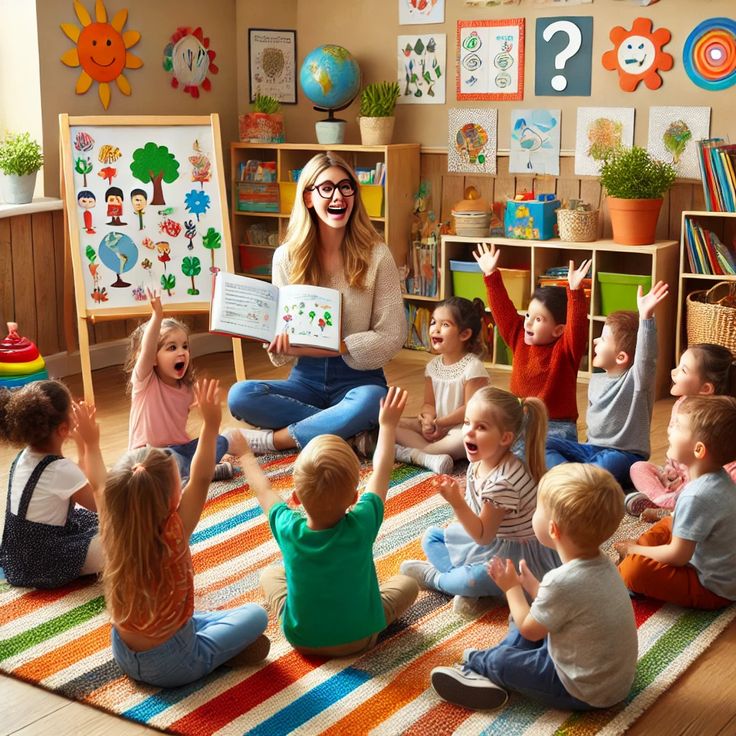
Storytelling is one of the most powerful and accessible methods to engage young learners in the English classroom. Young children naturally connect with stories – they listen a lot more, participate more actively, and they remember language more even better. When stories are brought to life through actions, visuals, and hands-on activities, children don’t just enjoy learning, they improve their vocabulary, comprehension, and confidence.
Why Storytelling Works
One of the main reasons storytelling works so effective is that it presents language in context, instead of in discrete lists of vocabulary, rules of grammar. Characters, actions and emotions give words meaning and purpose, so they become more familiar and memorable. Stories also create a safe and non-stressful learning environment, taking pressure off young learners who may feel pressure when speaking English. To discuss and learn stories is less about formal study of material and more about shared experiences that can encourage even quieter students to engage. Active involvement by learners builds the skills needed for better listening, speaking and comprehension – which in turn promote language learning.
Another benefit of storytelling is its flexibility. Teachers can adapt stories for different age groups and proficiency levels. They can incorporate visuals, gestures, props, repetition and even songs to reinforce vocabulary. For example, simple hand gestures or drawings as the story unfolds help facilitate knowledge acquisition; repetition throughout the story ensures learners can hear and internalize key vocabulary multiple times. The best way to learn vocabulary is to incorporate it into meaningful communication. A story gives more than one opportunity to encounter words in context, which allows learners to retain those words better. For example, children may encounter the terms ship, treasure, map, and island several times in a pirate story. By assigning follow-up tasks like sorting vocabulary cards, matching words to pictures, or using the words in sentences, teachers can help students remember these terms.
Practical strategies to Use Storytelling in the Classroom
There are several practical strategies that can make storytelling more effective in primary ELT:
1. Introduce key Vocabulary. Teaching a few essential words before telling the story allows learners to follow along and feel confident. This does not have to be long; typically, you need five or six words carefully chosen. By providing images or gestures, learners at this phase are ready to recognize and understand the vocabulary when they hear it used in context.
2. Multisensory Storytelling. Using a variety of senses when narrating a story improves engagement and retention. Props, sound effects, visual aids, and even movement all aid in the more immersive language processing of learners. For example, incorporating background sounds (such as animal sounds or waves for a sea story) or using a small toy to represent a character can keep students focused and strengthen comprehension.
3. Encourage Interaction. Students can engage with the language in a variety of ways through storytelling. Even the most reluctant students can participate when prediction questions, repetition, and retellings are encouraged. By giving students sentence starters, teachers can scaffold participation, for example:
“The dragon was… because…”
“I think the character will…”
These structures let learners use English in a meaningful way while boosting their confidence.
4. Implement Follow Up Activities. Doing things like drawing scenes, role plays, or working on alternate endings supports your learners’ active usage of language. These exercises also provide confidence and ownership in learning for children.
5. Connect with Learners’ Experiences. Encouraging kids to share their own life/personal stories in English makes English learning meaningful and inclusive. Connect to students’ personal experiences and what the student is learning is area students are more inspired to work when they know they’re on the same page.
Observations from Teachers
Teachers often notice that storytelling enhances vocabulary, speaking, and literacy skills. More skilled teachers often take advantage of varied and creative methods, such as visual aids, role-play and dynamic group work. Even more straightforward approaches like read-aloud sessions can make a huge difference, particularly when combined with gestures, props or discussion. But the greatest factor is engagement. If students are engaged with the story, they will have interest for the language and they will absorb the language naturally and participate by telling and learning from it willingly and remember it all.
The best storytelling sessions, involve students actively, foster creativity, and offer repetition. When given the opportunity to physically engage, retell, or expand the tale, children react favourably. Teachers should adapt stories for the language level, cultural background and interests of their learners.
Teachers may be concerned that lessons focused on stories are too hard to evaluate, yet vocabulary development is evident in simplistic and practical ways. A useful approach is informal observation. While in retelling, pair work, or role-play, teachers can notice if learners are using target vocabulary accurately and confidently. And if someone is only partially using phrases, or trying out some new words, that’s progress. The teacher can also keep a little list of key words from the lesson to keep track of usage without interfering with the natural progression of the lesson.
Also helpful are small post-lesson reflection tasks for your learners. Learners could draw out and label their favourite segment of the story, write simple gap-fill sentences, or link photographs to words. These low-stakes tasks help strengthen vocabulary but also provide teachers with tangible evidence of understanding.
Vocabulary must be recycled for the next lesson too. Finding characters or themes from past stories gives learners the opportunity to encounter those words again in ways that provide new context. For instance, a word that appears in one story may be re-introduced into a classroom game or short writing task the week after. In other words, this repeated and spaced repetition builds long-term retention.
Thus, storytelling melds creativity and measurable learning objectives. It allows vocabulary to build naturally while at the same time giving teachers clear ways of monitoring progress and planning the next steps into action.
How to get the most out of the medium of storytelling:
Select stories that accommodate young learners’ language level and interests. Engage them with expressive voices, gestures and visual aids. Encourage participation with questions, predictions, and retelling. Use creative follow-up tasks to reinforce new vocabulary.
Storytelling doesn’t need costly resources or elaborate set-up. It can turn the classroom into a space where language learning is a fun, is memorable (if well planned, with a few imaginative thoughts), and will be effective.
It’s something you do rather than something you teach; storytelling becomes a powerful communication tool for learners to connect with language. It boosts young EFL students’ learning by stimulating imagination, helping with vocabulary and confidence. Whether in picture books, traditional stories or teacher-created stories, integrating storytelling into lessons can contribute to creating colourful, interactive and strong English classrooms.